
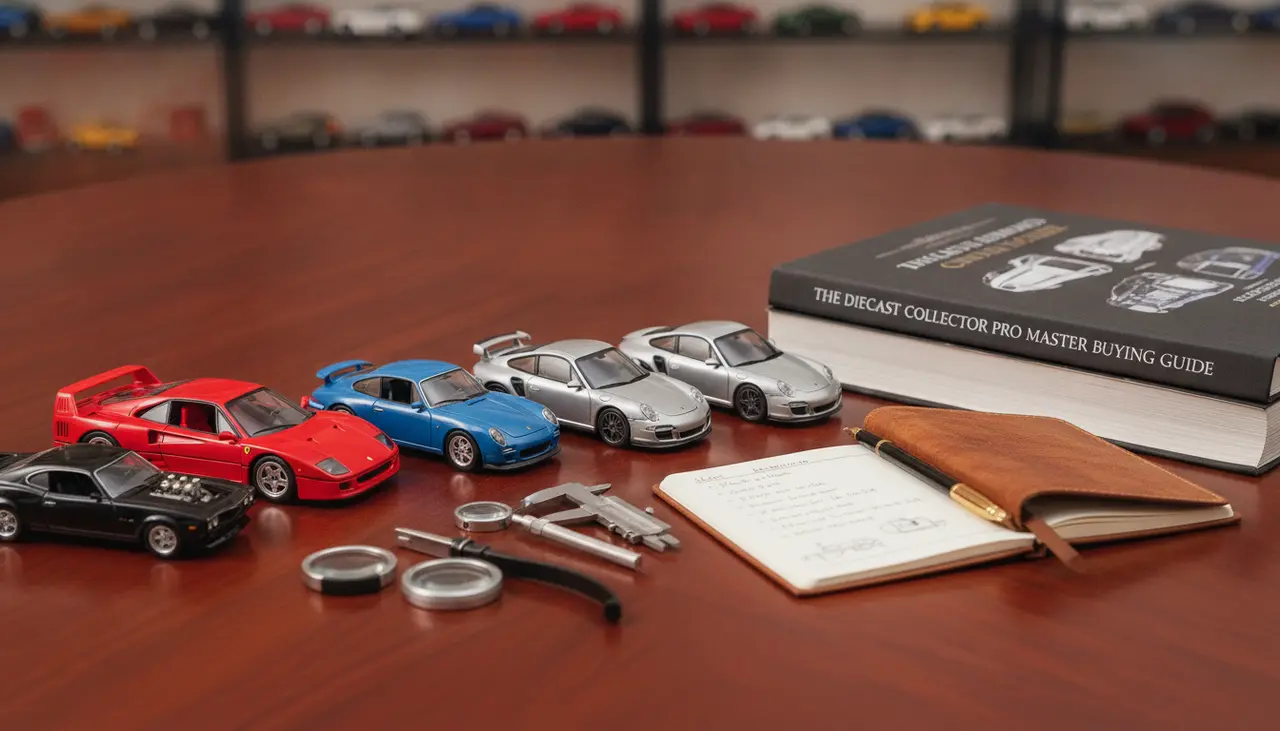
The Diecast Collector Pro Master Buying Guide: Precision, Quality, and Value
Finding the perfect automotive replica is more than just a purchase; it is an investment in history, engineering, and aesthetic beauty. For the serious collector, a high-end diecast model serves as a tangible connection to the automotive world, capturing the soul of a vehicle in miniature with surgical precision.
To build a collection with long-term value and historical accuracy, you must focus on three core pillars: Scale Accuracy, Manufacturer Craftsmanship, and Material Integrity. Whether you are eyeing a 1:18 scale Autoart masterpiece or a limited-edition BBR resin casting, understanding the nuances of how these models are designed and produced is the key to a gallery-grade display.
Who This Guide Is For
This guide is written for the dedicated automotive enthusiast—the individual who appreciates the difference between a mass-market toy and a precision-engineered replica. We know that your time is valuable and your shelf space is even more so. If you prioritize historical accuracy, opening features that reveal engine plumbing, and paint finishes that rival the real cars, you are in the right place. We are here to help you navigate the complex world of premium replicas without the noise of entry-level play-sets.
The Decision Framework: Scale and Purpose
Choosing a scale is the first and most critical decision in your collecting journey. It dictates how much detail you can expect and how much space you will need for a proper display.
| Scale | Best For | Typical Length | Detail Level |
|---|---|---|---|
| 1:18 | The "Gold Standard" for display | 10–12 inches | Exceptional; often includes opening parts and engine detail. |
| 1:43 | Desktop displays & large variety | 4–5 inches | High; focuses on silhouette and exterior accuracy. |
| 1:64 | Space-saving precision | 2.5–3 inches | Surprising; premium brands use rubber tires and fine tampography. |
Material Matters: Diecast Metal vs. Resin vs. Composite
In the high-end market, the "diecast" label is often used as a catch-all, but the actual materials used can vary significantly, impacting both the feel and the longevity of the model.
- Zinc Alloy (Traditional Diecast): This is the classic choice. These models are heavy, durable, and typically feature "full openings" (doors, hood, trunk). Brands like CMC and Kyosho are masters of this medium, offering incredible mechanical depth.
- Resin Casting: Preferred by brands like BBR Models and MR Collection, resin allows for sharper body lines and more complex curves that metal cannot always replicate. These are usually "sealed" models (no opening parts), but the exterior finish is often superior to metal.
- Composite/ABS: A newer innovation popularized by Autoart. These models use a reinforced plastic body over a diecast chassis. They offer tighter shut-lines (the gaps between doors and the body) and are less prone to "zinc pest" (metal degradation), though some traditionalists miss the weight of full metal.
Choosing the Right Manufacturer
The manufacturer is often the best indicator of a model's long-term value. Here is how the top players generally align:
- The Perfectionists (CMC, BBR): These are the pinnacle. CMC models are known for using hundreds, sometimes thousands, of individual parts (leather seats, functional leaf springs). BBR focuses on the ultimate paint finish and exclusivity, often for Ferrari and high-end Italian marques.
- The Industry Leaders (Autoart, Kyosho, Minichamps): These brands offer the best balance of price and high-end detail. They are the backbone of most serious 1:18 and 1:43 collections.
- The Value-Driven Premiums (Norev, Solido): While slightly more accessible, these brands still prioritize scale accuracy and are excellent for filling out a collection with "daily driver" classics or modern sports cars.
Common Beginner Mistakes to Avoid
- Touching Models with Bare Hands: The oils from your skin can react with the paint or the delicate decals (tampography) over time. Always use microfiber gloves when handling high-end pieces.
- Displaying in Direct Sunlight: UV rays are the enemy of a collection. They fade paint, yellow clear-coated resin, and can cause tires to crack. Ensure your display cases have UV protection or are kept away from windows.
- Discarding the Original Packaging: For high-end replicas, the box is part of the product. A model without its original box and certificate of authenticity can lose 30-50% of its resale value.
- Using Harsh Chemicals for Cleaning: A simple soft brush or a specialized air blower is usually enough. Never use household glass cleaners, as the ammonia can strip the wax or damage the plastic windows.
The Collector’s Checklist: Before You Buy
Before adding a new piece to your gallery, run through this quick checklist to ensure it meets the "Pro" standard:
- [ ] Scale Check: Does this fit my current display theme (e.g., 1:18 Le Mans winners)?
- [ ] Material Awareness: Is it diecast (opening parts) or resin (sealed/high exterior detail)?
- [ ] Manufacturer Reputation: Does this brand have a history of "zinc pest" or paint rash?
- [ ] Historical Accuracy: Are the badges, interior colors, and wheel designs period-correct?
- [ ] Limited Edition Status: Is there a numbered certificate or a limited production run that may bolster future value?
Frequently Asked Questions
Q: Why are some 1:18 models $50 and others are $500? A: The price difference usually comes down to the number of individual parts, the licensing fees (Ferrari and Lamborghini licenses are expensive), and the materials used. A $500 model likely features real leather, wired engines, and functional suspension, whereas a $50 model is a simplified shell.
Q: Is resin better than diecast? A: Neither is "better," but they serve different purposes. Diecast is for those who love the "hands-on" aspect of opening doors and seeing the engine. Resin is for those who want a "perfect" shelf presence with flawless paint and body proportions.
Q: How do I know if a model will increase in value? A: While no investment is guaranteed, models of iconic cars (like the Ferrari 250 GTO or Porsche 911) from top-tier manufacturers like CMC or BBR in limited production runs tend to hold or increase in value the best.
Affiliate Disclosure: This guide contains affiliate links to premium diecast retailers. If you make a purchase through these links, we may earn a small commission at no additional cost to you, which helps us continue to provide high-quality, technical content for the collecting community.