
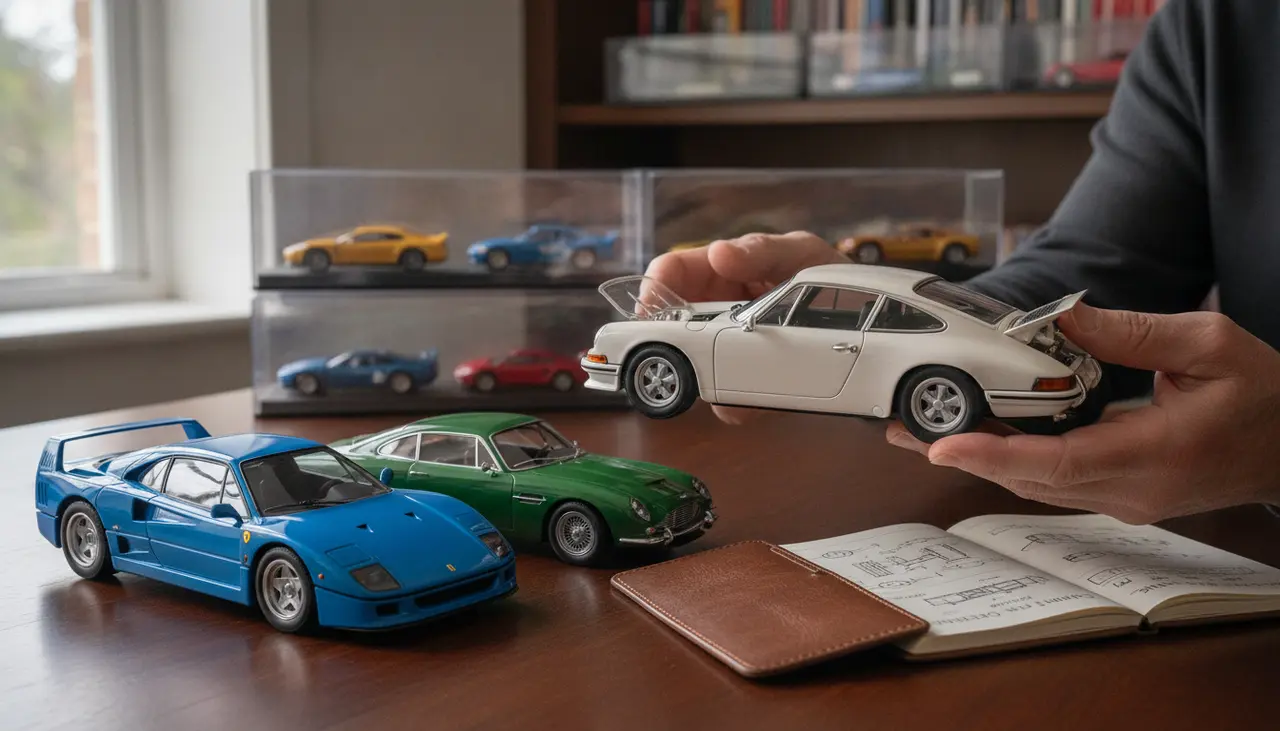
Choosing Your First 1:18 Scale Model: A Beginner’s Guide to Premium Diecast
Choosing your first 1:18 scale model requires balancing your passion for a specific vehicle with the technical quality of the replica. For most beginners, the best starting point is a mid-range diecast metal model from a reputable brand like Autoart or Kyosho, which offers a "full-opening" experience (doors, hood, and trunk) and high-quality paint finish.
If you are looking for the absolute pinnacle of detail and have a higher budget, brands like CMC or BBR Models provide museum-grade replicas. Conversely, if you want to test the waters without a significant investment, entry-level brands like Maisto or Bburago offer recognizable silhouettes at a fraction of the cost, though they lack the fine engine plumbing and interior textures found in premium releases.
Welcome to the "Gold Standard" of Collecting
If you’ve spent any time admiring automotive history, you know that some cars are more than just transport—they are art. Transitioning from smaller scales or casual toy aisles into the world of 1:18 scale diecast is a significant step. At roughly 10 to 12 inches long, these models are often referred to as the "gold standard" for collectors because the size allows for incredible mechanical precision that smaller scales simply can't match.
We understand that starting a collection can feel overwhelming. You aren't just buying a "model car"; you are curated a miniature garage that reflects your personal taste and appreciation for engineering. This guide is designed to help you navigate your first purchase so you can avoid common pitfalls and find a piece that brings you joy every time you see it on your shelf.
Understanding the 1:18 Landscape
Before you click "buy," it is helpful to understand the different tiers of manufacturers. Not all 1:18 models are created equal. Some focus on heavy zinc alloy (diecast) construction with opening parts, while others use resin casting for sharper exterior lines but often remain "sealed" (no opening parts).
| Manufacturer | Primary Material | Opening Parts | Detail Level | Best For |
|---|---|---|---|---|
| Maisto / Bburago | Diecast Metal | Yes | Entry-Level | Budget-conscious beginners |
| Autoart | Composite/Diecast | Yes | High-End | Serious collectors wanting detail |
| Kyosho | Diecast Metal | Yes | High-End | Classic European & Japanese cars |
| BBR / MR Models | Resin | Usually No | Professional | Display-only, paint perfection |
| CMC | Diecast Metal | Yes (Complex) | Museum Grade | Historical accuracy & investment |
What to Look for in a Quality 1:18 Model
When you are holding a model or looking at high-resolution photos, pay attention to these three pillars of quality:
1. Paint and Finish
A premium model should have a "depth" to the paint. Look for "Tampography" (printed logos) rather than stickers or decals, which can peel over time. High-end brands like Autoart ensure the paint is thin enough to not obscure panel lines but thick enough to provide a deep, realistic shine.
2. Material: Diecast vs. Resin
- Diecast (Zinc Alloy): These models have weight and usually feature opening doors and hoods. They feel "substantial" in the hand.
- Resin: These are often lighter and sealed. However, resin allows for much sharper body lines and thinner window pillars, which can look more realistic in a display case.
3. Interior and Engine Detail
This is where the 1:18 scale shines. Check for "flocking" (a carpet-like texture) on the floors and fabric seatbelts rather than molded plastic ones. In the engine bay, look for individual wires and hoses rather than a single molded plastic block.
For a deeper look at how these technical specs impact the value of your collection, see The Diecast Collector Pro Master Buying Guide: Precision, Quality, and Value.
Common Beginner Mistakes to Avoid
We’ve all been there—the excitement of a new arrival can lead to some easily avoidable errors:
- Touching the Paint with Bare Hands: Our skin oils are acidic. Over years, fingerprints can actually etch into the clear coat of a high-end model. Use microfiber gloves when handling your replicas.
- Discarding the Original Packaging: For many collectors, the box is 20-30% of the model's future resale value. Store your boxes in a dry, cool place.
- Direct Sunlight Exposure: UV rays are the enemy of diecast. They fade interiors, yellow the "glass" plastic, and can even cause paint rash (bubbling) over time. Always display your models away from windows.
- Forcing Parts Open: Some high-end models have very delicate hinges. Always check the manual or use a plastic "opening tool" (often included with brands like Autoart) to gently move doors or hoods.
Manufacturer Spotlights for Your First Purchase
If you are looking for your first "serious" piece, we recommend starting with Autoart. They strike a fantastic balance between price and extreme detail. Their "Composite" line is particularly popular now, offering the durability of modern materials with the high-functionality collectors crave.
If your heart is set on historical Ferraris or Mercedes-Benz classics, CMC (Classic Model Cars) is the gold standard, though they require a larger budget. Their models often consist of over 1,000 individual parts, including functional suspension and real leather seats.
Frequently Asked Questions
Why are some 1:18 models $50 and others $500? The price difference usually comes down to the number of individual parts, the licensing fees (Ferrari and Lamborghini licenses are expensive), the quality of the paint, and the manual labor required for assembly. A $500 model is often hand-assembled with hundreds of tiny, photo-etched metal parts.
Is resin better than diecast? Neither is "better," they just serve different purposes. Diecast is for the collector who loves the tactile feel of opening doors and heavy metal. Resin is for the collector who treats the model as a static piece of art and wants the most accurate body shape possible.
How should I clean my 1:18 models? Avoid household chemicals. A simple soft-bristled makeup brush or a dedicated camera lens blower is perfect for removing dust without scratching the surface.
Affiliate Disclosure: This guide contains links to premium diecast retailers and display case manufacturers. If you make a purchase through these links, we may earn a small commission at no additional cost to you, which helps us continue providing deep-dive technical content for the collecting community.